What Interior Designers Should Know Before Sourcing a Custom Moroccan Rug
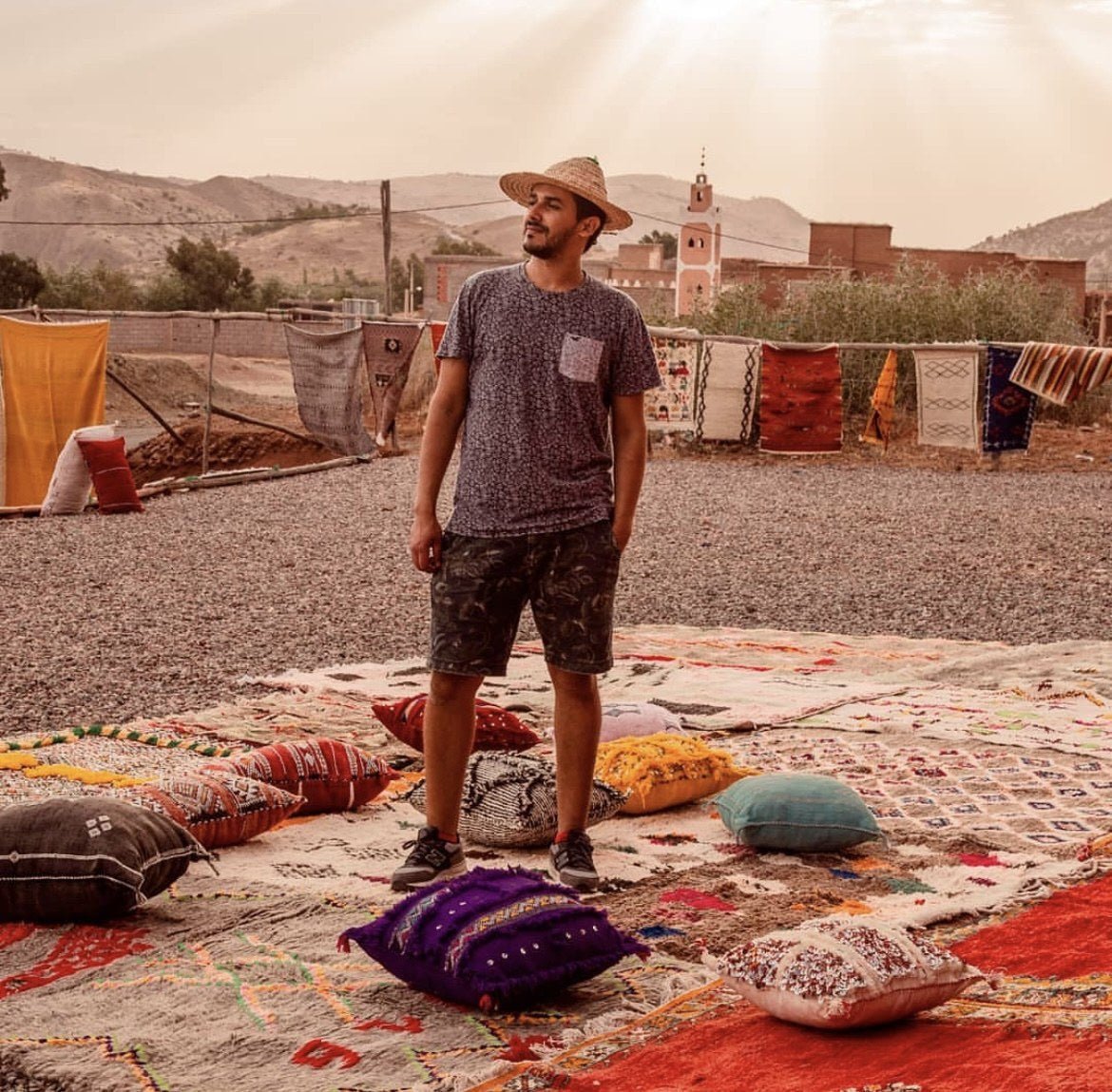
By Amine Mounir, founder of Africancreates
I founded Africancreates in Rabat, Morocco, in March 2017. Our business focuses on Moroccan rugs and Moroccan home furnishings, working with individual buyers and professional/design buyers. Those sourcing conversations begin with a practical question: what does this project need from the rug?
Often, a designer comes to us with an established direction: a design, a color palette and measurements. My job is to understand that brief and work out which existing pieces or custom options we can put forward. When the direction is less settled, we can help curate options, using the room and the client’s requirements to guide the selection.
A rug that catches someone’s eye gives us a place to begin. Before recommending it, I want to understand whether its dimensions, character and confirmed specifications serve the project.
Start with the project brief
Custom sourcing is particularly relevant to designers because dimensions and specifications depend on the individual client and space. A useful brief tells us:
- Required dimensions, with the unit clearly stated.
- Design or style direction: the pattern, proportions or visual character you are considering.
- Colors: the palette and any colors the rug needs to work with.
- Room or project context: where the rug will sit and what surrounds it.
- Reference imagery, where available: a room photograph, mood board or design reference.
- Quantity: whether you need one rug or a selection for the project.
- Destination and intended timing.
- Budget direction, where available.
- Other requirements or installation constraints that affect the selection.
You do not need every detail settled before starting the conversation. Share what you know so we can identify the questions that remain.
A reference image is useful, but I still need to understand what matters about it. Is it the pattern, the colors, the proportions or the overall feeling? Those are different requests. Clarifying them helps us decide what to check in an existing piece and what would need confirmation for a custom commission.
Separate physical stock from custom possibilities

An in-stock rug is an existing physical piece with its own fixed dimensions and characteristics. We check relevant verified available pieces against the brief, then curate a selection for the designer to consider.
A custom rug is made to order using the dimensions and available options confirmed for that commission. It is a separate sourcing route from physical inventory.
Custom becomes relevant when existing pieces do not meet the required dimensions or when the project calls for a different specification. The next step is to establish what is feasible for that request. A photograph of an existing handmade rug does not, on its own, establish that an identical reproduction is possible.
The sourcing path is designer brief → verified available selection or custom feasibility → curated options → project-specific quote. Production and delivery commitments need confirmation for the individual order.
What I look at when inspecting a rug

I begin with the back of the rug. It tells me a great deal about its construction and the work involved. For a knotted rug, I look at the knots and density indicators as part of that inspection. I also pay attention to odor, shedding, hand feel and softness, and the finishing.
These checks work together. The front shows the design; turning the rug over and handling it helps me assess the construction and finish beyond its appearance in a photograph.
This is my practical inspection framework, not a certification method. Knot density alone does not establish whether a rug is right for a project. Smell or softness cannot independently prove a material’s origin, identify its processing or confirm the absence of chemicals. Those facts require evidence for the specific piece.
For a designer, a useful question is: what has been checked on this rug, and what still needs confirmation? That question keeps the sourcing conversation specific. It also makes clear where an inspection can help and where supporting information is still needed.
Understand the production sequence before committing
For the hand-knotted custom work I describe, the sequence begins with the specification, wool or thread selection, and color confirmation. Dye preparation follows where applicable, before the rug is worked on the loom. Once weaving is complete, the process moves through washing, polishing or trimming, vacuuming and final preparation.
That account helps explain the work behind a commission. It is not a universal description of every rug construction or a production timetable. The process, materials and schedule that apply to a particular order need separate confirmation.
Before a sourcing conversation becomes a meaningful quote, the custom specification needs to be agreed. If a project has a required date, include it in the brief so it can be assessed against the actual commission. An intended date in an inquiry is a requirement to review, rather than an agreed delivery commitment.
Build a sourcing relationship that can serve the next project

A homeowner may be solving one room or making an occasional purchase. An interior designer works across changing client projects, each with its own dimensions, palette, budget and requirements.
When the sourcing relationship works well, Africancreates can become a resource the designer returns to with a future brief. One project may be served by an existing piece; another may call for custom dimensions and a different design direction.
The value is in continuing that practical conversation: understanding the requirement, narrowing the relevant options and confirming the details needed for a decision. Each project still deserves its own brief. Familiarity with a designer’s preferences helps the conversation, but it cannot replace checking what the next client and space require.
Bring us your next project brief
If you are sourcing a Moroccan rug for a client or project, send your brief through the Africancreates sourcing and wholesale inquiry form.
Include your required dimensions, design/style direction, colors, room or project context, reference imagery where available, quantity, destination, intended timing and budget direction where available.
We will use that brief to check relevant verified available pieces or determine what needs confirmation for a custom commission. From there, we can curate appropriate options and develop a project-specific quote.